Coffee Scene Cross Stitch Pattern PDF: A Detailed Guide
Unpacking the Charm of This Digital Craft Asset
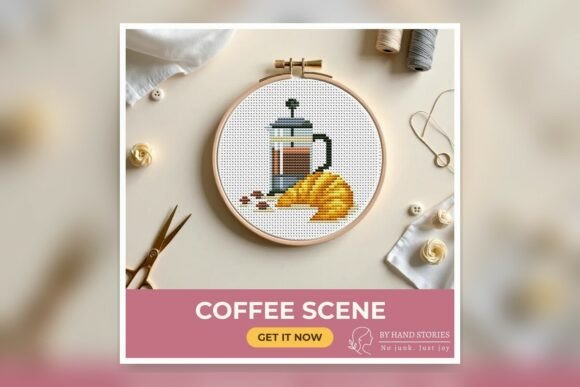
There’s a specific kind of comfort found in the intersection of a warm beverage and a creative hobby. The Coffee Scene Cross Stitch Pattern PDF captures this exact feeling, translating the ritual of coffee culture into a tangible, stitched art piece. As a digital product designed for instant download, this isn't just a file; it's a comprehensive toolkit for crafters who appreciate detail. The package offers a rich, visual narrative of a coffee scene—likely featuring intricate details like steaming cups, beans, and cozy café elements—rendered in a counted cross stitch format. What makes this specific design stand out in the crowded market of design assets is its duality. It includes both color and black-and-white chart versions, acknowledging that crafters have different visual processing styles and printing preferences.
From a visual standpoint, the "personality" of this pattern leans toward the illustrative and nostalgic. It functions much like a handwritten font or a script font in the typography world—it carries a human touch. The style is likely intricate, relying on the grid-based logic of cross stitch to create an image that feels organic yet structured. This isn't a minimalist or abstract design; it is a detailed coffee scene, which suggests a focus on storytelling through pixels and thread. For the hobbyist or the small business owner looking to create physical goods, this pattern serves as a bridge between digital convenience and handmade authenticity.
Practical Applications: From Hobby Crafting to Brand Identity
While this is primarily a counted cross stitch design, its utility extends far beyond the embroidery hoop. For content creators, bloggers, and marketers in the lifestyle or food niche, the visual elements within the PDF can serve as inspiration for broader brand identity work. Imagine using the color palette extracted from the pattern to inform a website's web design or social media graphics. The aesthetic of a hand-stitched coffee scene evokes warmth, patience, and artisanal quality—traits that many brands strive to project.
For entrepreneurs running a craft business or an Etsy shop, this file is more than a personal project; it is a potential product line. The "instant download" nature of the Coffee Scene Cross Stitch Pattern PDF allows for immediate production. You can print the charts, kit them up with fabric and floss, and sell the finished stitched pieces or the kits themselves (subject to the specific licensing terms of the seller). In this context, the pattern acts like a premium font—it is a foundational asset that elevates the final output. Just as a designer selects a serif font for tradition or a sans serif font for modernity, a crafter selects this pattern for its specific thematic resonance.
Visual Hierarchy and Readability in Design
When we talk about readability in cross stitch, we are talking about the clarity of the chart. The inclusion of both color and black-and-white versions is a critical feature for visual hierarchy. The color version helps with quick identification of thread shades, while the black-and-white version—often using distinct symbols—ensures that the stitcher can distinguish between similar colors without eye strain, especially in low light or when printed on low-quality paper. This mirrors the principles of modern typography, where legibility is paramount regardless of the typeface style.
For designers and publishers, analyzing how this pattern is structured can offer lessons in grid-based design. The pattern is, effectively, a bitmap image translated into a stitch map. The "font" of the pattern—the symbols used—must be distinct to avoid confusion. If you are using this pattern as a base for packaging design or editorial design related to a coffee brand, the consistency of the grid ensures that the final visual is balanced. The pattern dictates the placement of every "pixel," ensuring a cohesive image that holds together from a distance, much like a well-kerned display font.
Strategic Selection and Project Fit
Choosing the right pattern is similar to choosing the right font pairing. You must evaluate the project fit. Is the goal to create a quick gift, or a complex piece of wall art? The Coffee Scene Cross Stitch Pattern PDF seems geared toward the latter, given its description as "detailed." A crafter or hobbyist should consider the stitch count and color complexity before committing. A high stitch count means a larger finished size and a longer production time, which is a crucial variable for small business owners calculating labor costs.
Here are practical considerations for working with this digital asset:
- Testing the Print: Before stitching, print a small section of the chart to ensure the symbols are legible on your specific printer. This is the equivalent of testing a creative font at different sizes.
- Evaluating Color Floss: The PDF likely lists DMC or Anchor thread codes. Verify you have access to these specific brands, as substituting colors can alter the "warmth" of the coffee scene.
- Commercial Licensing: If you intend to sell finished products, you must clarify the license. Most digital patterns are for personal use only, but some commercial font and pattern sellers offer extended licenses for small businesses.
- Format Compatibility: Ensure your device can open the PDF. While standard, some complex charts may be large files that require robust PDF readers to zoom without losing clarity.
The Role of Texture in Digital and Print Media
In an era dominated by flat sans serif digital interfaces, the tactile nature of cross stitch offers a refreshing contrast. The Coffee Scene Cross Stitch Pattern PDF is a digital file, but its end goal is a physical, textured object. This duality is powerful for content creators. A photo of a finished cross stitch piece adds immense value to a blog post or an Instagram feed because it represents "slow media"—content that took time and skill to produce.
When integrating this aesthetic into marketing materials, consider the texture it implies. A logo design inspired by cross stitch might use a grid overlay or a rough, pixelated edge to mimic thread. This creates a distinct brand identity that feels approachable and handcrafted. The pattern itself can be seen as a display font of sorts—a decorative element meant to draw the eye and set a mood, rather than convey dense information.
Final Thoughts on Utility and Aesthetic
The value of the Coffee Scene Cross Stitch Pattern PDF lies in its specificity and quality. It is not a generic asset; it is a targeted solution for a specific aesthetic niche. For the designer, it offers a case study in grid-based illustration. For the crafter, it offers a roadmap to a beautiful finished piece. For the marketer, it offers a visual language of comfort and artisanal quality.
When selecting this pattern, treat it with the same scrutiny you would apply to a premium font purchase. Look at the sample images provided by the seller. Is the backstitching (outlines) clear? Do the colors blend well? Is the chart easy to read? By applying these professional standards to your hobby materials, you ensure that your time investment yields a result that is both personally satisfying and visually professional. Whether you are stitching a gift for a friend or building a product line for your shop, this pattern provides a solid, well-structured foundation for your creative work.