Building Bright Beginnings: Preschool Lesson Plan Templates Design
For any educator or administrator in early childhood development, the lesson plan is more than just a checklist; it is the architectural blueprint for a child’s first foray into structured learning. However, the utility of a plan often hinges on its usability and visual clarity. This is where the Preschool Lesson Plan Templates Design steps in, offering a solution that balances professional organization with the vibrant, sensory-rich world of preschool education. We aren't just talking about a grid on a piece of paper; we are discussing a comprehensive system—specifically the "Colorful Foundations" collection—that transforms documentation into a visually engaging activity.
The Visual Personality of "Colorful Foundations"
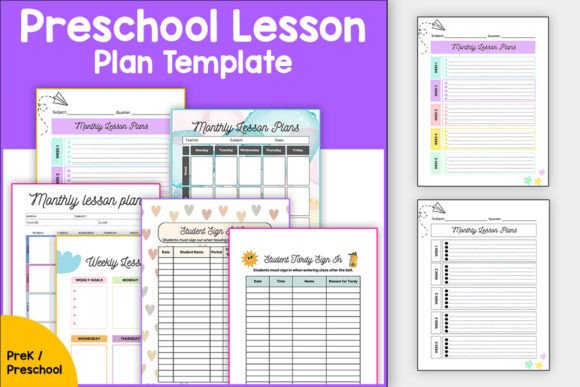
The "Colorful Foundations" set is built on the principle that organization does not have to be sterile. When you look at the Preschool Lesson Plan Templates Design, the first thing you notice is the intentional use of color. The set includes six distinct colorful templates. These aren't random splashes of paint; they are structured layouts utilizing modern typography and playful graphic elements. The design choices here are crucial. By using a mix of sans serif font styles for headers and clean, readable text for body copy, the templates ensure that information hierarchy is immediate. A teacher glancing at the page can instantly differentiate between the "Objective" section and the "Materials Needed" list.
Furthermore, the aesthetic appeal of this creative font integration and layout design serves a psychological purpose. Preschool environments are high-energy. A chaotic lesson plan adds to mental clutter, whereas a well-designed, color-coded template provides a moment of visual calm. The personality of these templates is friendly yet authoritative—inviting enough to be used daily, but structured enough to satisfy administrative requirements. The inclusion of six black & white lesson plan templates alongside the color versions is a nod to practical resource management. It allows for cost-effective printing while maintaining the structural integrity of the design. This duality is a hallmark of a high-quality design asset.
Practical Applications: Beyond the Classroom Desk
While the primary function is obvious, the versatility of a high-quality Preschool Lesson Plan Templates Design extends into various professional spheres. For the entrepreneur or small business owner running a private daycare or tutoring center, these templates act as a branding tool. Consistency in documentation signals professionalism to parents. When a parent receives a lesson plan that looks polished and organized, it builds trust in your brand identity.
Consider the content creator or blogger in the education niche. These templates are perfect for social media graphics or lead magnets. A snapshot of a colorful, filled-out plan makes for an engaging Instagram post or a valuable freebie for an email list. In the realm of editorial design, these layouts can serve as inspiration for educational magazines or parenting newsletters. The structure is clean enough to be adapted into web design elements for online learning management systems. Even in packaging design for educational kits, the visual language of these templates—the clear headers, the organized grids—can inspire how instruction manuals are laid out. It proves that functional design is universally applicable.
Design Mechanics: Hierarchy, Readability, and Flow
Let’s look under the hood at the typography and layout mechanics that make this resource work. Effective modern typography is about managing the reader's eye movement. The Preschool Lesson Plan Templates Design achieves this through distinct sections. The headers likely utilize a bold display font or a heavy weight sans-serif to anchor the sections. This creates a strong visual hierarchy, ensuring that the most critical information (like the date or the core learning theme) is prioritized.
Readability is paramount in a busy environment. The body text in these templates avoids overly decorative script font or handwritten font styles for main content, which can cause eye strain over long periods. Instead, it focuses on legibility. This is a critical distinction between a "pretty" design and a "usable" design. For the user, this means less time deciphering their own notes and more time engaging with students. The grid structure promotes a natural flow—from setup to execution to assessment—helping the educator organize their thoughts logically. This isn't just about aesthetics; it is about cognitive load management. A well-designed template reduces the friction of planning, allowing creativity to flourish within a defined structure.
Choosing and Integrating Templates into Your Workflow
Adopting a new design asset requires a bit of strategy. When integrating the "Colorful Foundations" Preschool Lesson Plan Templates Design into your workflow, start by evaluating your specific needs. Do you prefer the vibrancy of the color versions for a planning binder kept on your desk? Or do you need the efficiency of the black & white lesson plan templates for mass distribution to staff?
Here are a few practical recommendations for getting the most out of this resource:
- Evaluate the Fit: Look at the specific layout. Does it have enough room for your "Notes" section? Does it accommodate a thematic approach or a subject-specific approach? Ensure the structure matches your teaching philosophy.
- Test Your Tools: Since these are non-editable PDF or image files, you will be writing on them by hand or using a PDF annotation tool. If you are using a tablet (like an iPad with an Apple Pencil), test the templates in apps like GoodNotes or Notability. The clean lines of the sans serif font will make a great background for digital handwriting.
- Consider the Pairing: If you are using these for a larger brand presentation, think about font pairing. If you create a cover sheet for your lesson plans, choose a premium font that complements the clean style of the templates. Avoid clashing styles—stick to modern, clean typefaces to maintain professionalism.
- Commercial vs. Personal Use: Always review the licensing. While these are likely for personal or single-classroom use, if you are a franchise owner or a large district, verify the terms. Most high-quality templates are affordable commercial font and asset resources, but due diligence is part of professional design management.
Consistency as a Branding Strategy
Ultimately, the power of the Preschool Lesson Plan Templates Design lies in its ability to enforce consistency. In branding, consistency breeds recognition. In education, consistency breeds security. When children see their teachers organized and prepared, it sets a tone for the classroom. When stakeholders see a unified approach to planning, it elevates the perceived value of the institution.
Whether you are a solo crafter documenting your homeschool journey or a marketing manager for a chain of preschools, the "Colorful Foundations" set offers a bridge between utility and beauty. It proves that even the most mundane administrative tasks—like filling out a lesson plan—can be elevated through thoughtful editorial design. By choosing a resource that prioritizes both visual appeal and functional hierarchy, you aren't just organizing your week; you are curating an experience. You are building a foundation that is as colorful and dynamic as the children you teach.